











Zimbabwe intensifies fight against rising cybercrimes Authorities in Zimbabwe’s ICT and security sectors are reporting a notable increase in cybercrime, prompting them to implement measures to address the situation. (Source: Image by DC Studio on Magnific) Zimbabwe is witnessing an increase in cybercrimes, resulting in the responsible authorities increasing educationContinue Reading

Chinese Hacker Commands DeepSeek via Telegram to Launch Autonomous Attacks Palo Alto Networks’ Unit 42 says a Chinese-speaking threat actor used DeepSeek through the open-source Hermes Agent framework to launch attacks autonomously. After an initial Telegram instruction, the agent found internet-facing systems and selected public exploits. The researchers recovered noContinue Reading

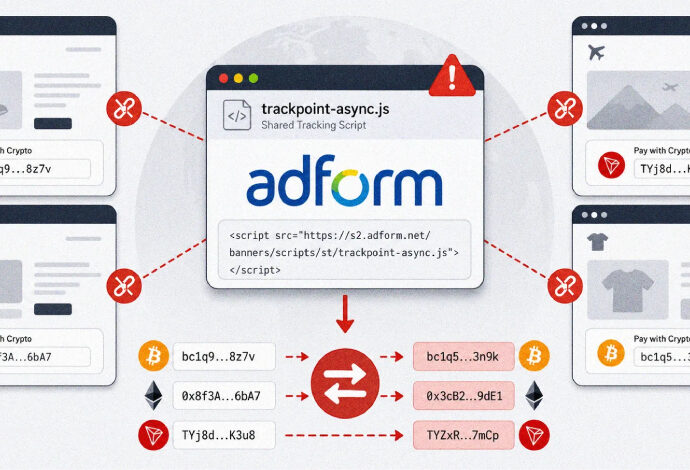
Hackers Poison Adform Script to Swap Crypto Wallet Addresses Across Customer Sites Attackers modified a JavaScript file served by advertising technology company Adform, turning it into a browser-side tool that rewrites cryptocurrency wallet addresses. Adform detected the incident on July 27, 2026, removed the malicious code, notified affected clients, and reportedContinue Reading

Kenya has recorded more than three billion cyberattack attempts between March and May 2026, according to the country’s National Computer and Cybercrime Coordination Committee (NC4). The report revealed that cybercriminals targeted both government institutions and private businesses, exploiting security weaknesses in computer systems and online platforms. The attacks included phishingContinue Reading

A pro-Ukrainian group called Bearlyfy has been attributed to more than 70 cyber attacks targeting Russian companies since it first surfaced in the threat landscape in January 2025, with recent attacks leveraging a custom Windows ransomware strain codenamed GenieLocker. “Bearlyfy (also known as Labubu) operates as a dual-purpose group aimed at inflictingContinue Reading

The Indian Computer Emergency Response Team (CERT-In) has issued new guidelines requiring organizations to patch critical security vulnerabilities in internet-exposed systems within 12 hours of being flagged where “feasible” to safeguard against potential threats stemming from threat actors’ abuse of artificial intelligence (AI) tools and large language models (LLMs) to automate vulnerabilityContinue Reading